
Science of Tent Acoustics: Quieter Camping Sleep
By Mateo Alvarenga • 7th Jan
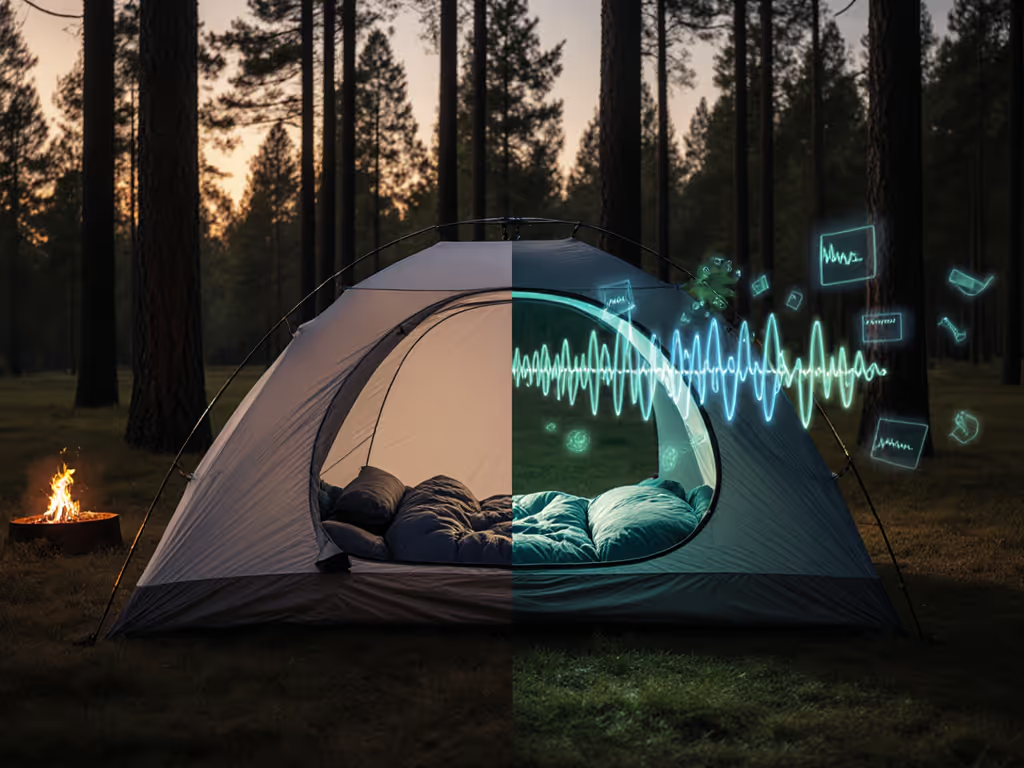
When you're evaluating car camping tents, most shoppers focus on weight, capacity, or weather resistance, yet the silent factor that determines actual sleep quality is tent acoustics. As someone who maps shoulder widths, knee bends, and paw circles before ever setting up a tent, I've learned that noise behavior inside your shelter is just as critical as floor dimensions. Sound waves don't care about marketing claims of 'spacious 3-person capacity', they care about how your space actually fits sleeping bodies, restless pets, and the inevitable nighttime rustles that become amplified when you're lying awake at 2 AM.
You've probably experienced this: you pitch what should be a comfortable tent, settle in for the night, and suddenly every pinecone drop, distant generator hum, or even your partner's quiet breathing becomes painfully amplified. For couples sharing space with kids or pets, noise becomes a shared sensory burden. I once taped full-size pad cutouts to my living room floor and traced headroom with a laser line, what started as a simple layout experiment became a revelation about how sound interacts with sleeping positions and tent geometry. That night, our shepherd circled twice while my partner sprawled, and we realized a '3-person' tent often meant two sleepers plus a story about discomfort.
Step 1: Understanding How Sound Travels in Tents
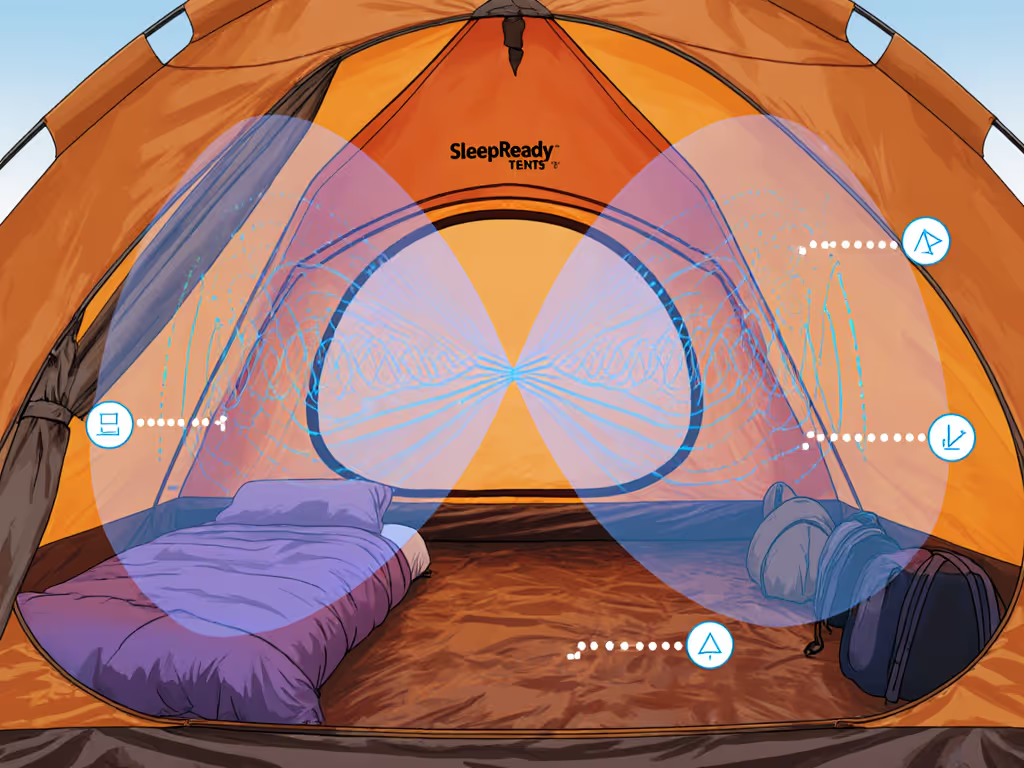
Most campers treat tents as simple shelters, but acoustically, they're complex resonating chambers. For a technical look at airflow systems that also influence how sound carries, see our ventilation design guide. Unlike a rectangular room with parallel walls that create predictable sound reflections, car camping tents typically feature sloped walls, curved poles, and non-parallel surfaces that scatter sound waves unpredictably.
Key acoustic principles to understand:
- Reverberation time: How long sound lingers in your space (shorter = better for sleep)
- Sound absorption: How much fabric traps sound waves versus reflecting them
- Frequency response: How different materials handle low, mid, and high frequencies
When you're sleeping side-by-side with your partner or curled up with pets, these factors determine whether distant campsite noise becomes a disruptive distraction or simply fades into background ambiance. Annotated headroom maps don't just show vertical space, they reveal where sound waves concentrate and where your body's natural sound-dampening presence (like shoulders and pillows) creates acoustic shadows. This is why sleep posture tagging matters: side sleepers create different sound barriers than back sleepers, and pets curling near tent walls absorb low-frequency rumbles.
Step 2: Identifying the Real Noise Culprits in Your Tent
Most campers blame "outside noise," but noise reduction in tents starts with understanding your internal acoustic environment. Before addressing external sounds, conduct this simple audit:
- Flapping fabric: The most common nighttime disturbance, thin rainflies or unsupported walls create constant flutter in wind
- Zipper noise: Metal zippers against nylon create sharp, high-frequency sounds that disrupt light sleepers
- Pole vibrations: Flexible poles transmit ground vibrations from footsteps or wind
- Interior echoes: Hard surfaces like vestibule floors or thin matting create reflective surfaces
For couples with pets, your 'noise map' expands dramatically. A restless dog creates different acoustic disturbances than a sleeping child, and each needs different management approaches. When mapping your tent layout, consider how your sleeping positions create natural noise barriers. Door/vestibule choreography becomes critical here: the placement of your entrance relative to common sleeping positions determines whether outside noise enters directly into your 'quiet zone'. For quieter, more functional entryways, use our vestibule storage strategies to turn gear into a noise buffer.
Step 3: Material Selection for Natural Sound Dampening
While 'soundproof tent techniques' can't make your shelter completely silent, strategic material choices dramatically improve the acoustic environment. Focus on these three layers:
- Outer layer: Thicker rainflies (70D+ nylon) reduce wind noise better than ultralight options
- Wall layer: Double-wall tents with mesh ceilings create natural sound diffusion
- Interior layer: Your body position and bedding act as the final acoustic filter
I always recommend testing fabric thickness by pressing your thumb against it (can you feel the weave clearly?). If yes, sound waves pass through easily. The best tent sound insulation comes from layered fabrics with internal textures that break up sound waves. To understand which materials dampen wind flap and vibration best, see our tent fabric comparison. Look for tents with strategically placed heavier panels near sleeping areas rather than uniform lightweight construction.
Step 4: Optimizing Layout for Better Sleep Acoustics
This is where pad layout templates transform marketing claims into reality. Most manufacturers list 'floor area' without considering how tapered walls reduce usable sleeping space, especially for shoulder width. When I evaluate tents, I create sleep posture tags for each sleeping position and map where bodies naturally create sound-absorbing zones.
For couples with pets, the layout becomes even more critical. Here's how to optimize your space:
- Position sleeping pads to create natural sound barriers between you and noise sources
- Place pets near tent walls where their body mass absorbs external vibrations
- Orient your heads away from the main entrance if wind noise is anticipated
- Create vestibule buffers by storing gear between potential noise sources and sleeping areas
Remember: layouts that remove friction aren't just about physical space. Site selection is your first acoustic shield—learn how to use terrain and wind breaks in our campsite selection guide. They're about creating acoustic zones where sound flows around rather than through your sleeping area.
Step 5: Practical Noise Management Techniques
Before you spend money on aftermarket solutions, implement these evidence-based camping noise management strategies that work with your tent's existing geometry:
- Strategic padding: Place your sleeping pad against the side of the tent where noise enters, your body plus the pad creates a natural barrier
- Layered textiles: Add a lightweight blanket between you and the tent wall to absorb vibrations
- Vestibule buffering: Store gear in vestibules to create additional sound-absorbing layers between outside noise and sleeping areas
- Positional awareness: Sleep with your feet toward potential noise sources (lower frequencies are less disruptive to sleep)
For families camping with children or pets, these small adjustments create significant improvements. Children's restless movements at night become less disruptive when positioned between adults who naturally absorb the sound. Similarly, pets create less acoustic disturbance when their sleeping area is positioned against curved walls rather than flat panels that amplify movement sounds.
Step 6: Testing Tent Acoustics Before Purchase
The most effective way to evaluate tent acoustics before buying is through spatial testing, not just reading specs. Here's my recommended approach:
- Create full-size pad templates using contractor paper
- Lay them out in your living room with sleeping positions marked
- Use string to trace headroom based on manufacturer diagrams
- Walk around the space while making campsite noises (zipper sounds, rustling)
- Have someone outside the 'tent' simulate campsite noises while you lie inside
This spatial testing reveals more than any product description. You'll immediately notice where noise concentrates and whether your specific sleeping configuration creates natural acoustic protection. For couples, this reveals how your combined presence affects sound, two people create different acoustic dynamics than a single sleeper.
Fit is a human factor, not a marketing number; layouts are destiny for sleep
Next Steps for Better Camping Sleep
Tomorrow night, conduct a simple acoustic audit of your current tent. While lying in your sleeping position, have your partner walk around the tent perimeter making campsite noises. Notice where sounds amplify and where they naturally fade. Then, sketch a simple headroom map noting your 'quiet zones' and 'noise hotspots'. This people-first approach to tent acoustics will help you make smarter decisions about layout, positioning, and future tent purchases, ensuring that your sleeping space isn't just measured in square feet, but experienced in peaceful, restorative hours. If dawn light wakes you before noise does, optimize sleep further with our circadian-friendly light control guide.
Related Articles