
Pick the Right Beach Tent: Sand, UV & Setup
By Mateo Alvarenga • 24th Apr
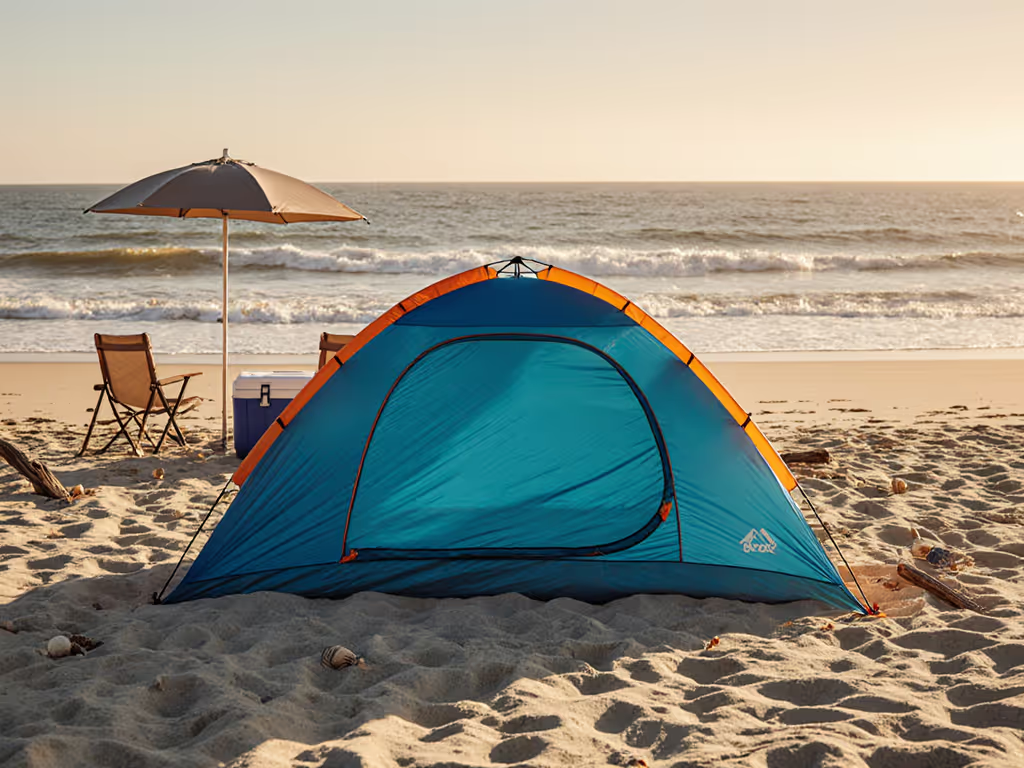
When I first approached tent selection as a numbers exercise (checking off capacity, weight, packed size), I missed something crucial. Fit isn't a marketing statistic; it's the difference between a restorative night and a conflict-filled one. I once taped full-size pad cutouts to my living room floor, then moved a tent over them and traced headroom with a laser line. My partner sprawled, our shepherd circled twice, and we learned a '3-person' tent meant two sleepers and a story. The map changed everything. For beach camps especially, where UV exposure, sand intrusion, and salt-air corrosion compound setup decisions, this fit-first approach matters even more.
Beach tents and winter camping tents serve radically different purposes, yet many shoppers treat tent selection as a one-size-fits-all puzzle. For a deeper comparison, see our beach vs camping tents guide. A beach tent prioritizes shade, airflow, and sand resilience; a winter camping tent prioritizes insulation and storm containment. Choosing wrong means either overheating in summer sun or struggling with condensation and poor ventilation when you need them most.
This step-by-step guide walks you through selecting a beach tent that actually fits your people, pets, and gear, and that you'll confidently pitch again and again.
Step 1: Map Your Actual Capacity Needs
Before spec-sheet shopping, visualize real bodies in real positions.
Who Sleeps Where?
List everyone and everything sharing the tent:
- Adults (note height, side vs. back sleeper)
- Children (age/size; restless sleepers need more horizontal space)
- Pets (length when stretched, circling habit, shedding)
- Gear (backpacks, bins, muddy boots)
Fit check: shoulders, knees, paws. A marketed 4-person tent often shrinks to a snug 2-person layout once you add pads, pillows, and a dog who sprawls diagonally.
Create a Pad Template
Sketch your sleeping pads to scale on paper or a free online tool. Lay them end-to-end as they'll actually sit, leaving 4-6 inches of floor margin on each side for ventilation and movement. Now map where people will sleep. Do taller campers' heads or feet touch the tent wall? Does a child fit in the remaining space? Where does the dog nest?
This mental map (or actual paper cutout) eliminates guesswork. Many buyers discover too late that the tent's tapered walls rob headroom at the foot end, leaving barely enough space for a dog to turn around.
Plan Vestibule & Storage
Beach trips mean sandy gear, wet swimwear, and sun-protection supplies. Your tent's vestibule (the entrance storage area) should fit at least one pack, muddy shoes, and the dog's damp collar. If the vestibule is an afterthought (cramped or oddly shaped), you'll end up stacking gear against the inner wall, reducing sleep space immediately.
Step 2: Prioritize Beach-Specific Features
Sand, sun, and salt air demand different features than mountain or forest camping.
UV Protection & Fabric Choice
Beach environments expose tents to relentless UV radiation, which degrades nylon and polyester over time. Look for UV-resistant tents with a high-quality rainfly rated UPF 50+, or an outer fabric treated with UV inhibitors. For UV performance trade-offs by material, see our tent fabric comparison. The fly's color matters: darker flies absorb more heat (often a drawback for beach days), while lighter flies reflect more sun but may degrade faster if not UV-treated.
Inside, lighter-colored tent bodies reduce interior heat buildup, which is critical for ventilation and comfort during long, hot beach days.
Sand Anchor Techniques
A standard 4-stake setup fails on sand. Beaches lack the friction that earth-bound stakes need. For step-by-step methods that hold in soft sand, use our rock-solid pitching guide. Invest in sand anchor techniques that work:
- Deadman anchors (burying a stake or panel deeper and angling the line) hold far better than shallow stakes
- Shovel-shaped stakes displace less sand and bury more effectively than thin pegs
- Sandbag tie-ins (cheap heavy bags looped to a tent loop and buried) provide redundancy if staked areas shift
Test your anchoring plan before the trip. One hour of wind can pull stakes loose and collapse an otherwise perfect tent.
Ventilation & Condensation Control
Beaches mean salt spray, humidity, and often minimal breeze inside a sheltered campsite. A high-ventilation tent with large windows or mesh panels (preferably on opposite sides for cross-flow) and a zippered rainfly vent prevents condensation buildup. If you can't open the fly partially in humid, calm conditions, you'll wake to damp sleeping bags and interior dripping.
Beach camps often run humid at night, especially near water. Get proven hot weather ventilation strategies to keep airflow moving without losing shade. A tent with the ability to fully unzip or roll back the rainfly, without losing weather protection, is essential.
Step 3: Evaluate Interior Layout & Headroom
This is where fit-first layouts turn marketing capacity into real sleep space.
Measure Usable Floor Space
Manufacturers often cite overall interior length but ignore the tapered walls at each end. A tent 96 inches long may offer only 70 inches of usable sleeping length if the foot end slopes sharply inward.
- Request actual interior floor dimensions at the widest point and at the head and foot ends
- Cross-reference user reviews for real-world photos of people in the tent; look for headroom complaints
- If possible, set up the tent in-store or arrange a trial at a rental center
Assess Headroom & Sitting Space
Sitting upright to change clothes, eat breakfast, or ride out rain demands at least 40-45 inches of peak headroom. For beach shelters used as basecamp tents, where you'll change into and out of wet swimwear repeatedly, generous sitting space is non-negotiable.
Door Placement & Choreography
A single door facing the prevailing wind can send rain sideways into the tent every time you enter or exit. Dual-door tents offer flexibility but add weight. Single-door tents should have the door oriented away from typical wind direction (research local beach wind patterns before booking).
Also consider door placement positioning: can you exit or enter without kneeling over a sleeping partner or stepping on the dog? An off-center door, or one positioned at a tent's shoulder (rather than head-on), often functions better than a dead-center entrance.
Step 4: Match Your Seasonal Choices to Beach Conditions
A lightweight beach shelter works fine for summer sun and occasional showers, but shoulder-season beach camps (spring and fall) demand more weather sophistication.
Summer Beach Tents
Prioritize shade and airflow. A tent with full mesh interior (only a minimal rainfly for rain) keeps it cool and allows star-gazing. Weight matters less if you're car-camping.
Shoulder-Season & Late-Summer Tents
Evenings cool quickly, and wind often picks up. You'll need:
- Full rain protection with a sealed rainfly and treated floor
- Zippered side or roof vents for condensation escape
- Double-wall construction to buffer interior temperature swings
- Wind-rated design (check for claims around 25+ mph stability)
Winter Camping Tents & Off-Season Use
If beach seasons are short where you live, and you might use the tent for autumn or winter car camping, the tent's performance in cooler, wetter conditions matters. However, avoid conflating beach-tent needs with true winter camping tents, which prioritize insulation (small windows, thick fabrics) over ventilation. A season-confused purchase often means poor performance in both beach and winter contexts.
Step 5: Verify Weather Readiness & Real-World Reviews
Numbers don't capture how a tent actually performs in wind, rain, and humidity.
Cross-Reference Storm-Readiness Claims
Look for tents with:
- Grommet tie-outs or roof vents for tension and ventilation
- Sealed seams throughout
- A bathtub-style floor sealing (seam-sealed at 6+ inches up the wall)
- Wind-tunnel test results or independent verifications, not just marketing claims
Read Long-Term Owner Reviews
Single-night trip reviews rarely surface condensation issues or fabric degradation from salt air. Seek reviews from 2-5 year owners in coastal climates. They'll flag:
- Whether zippers jam after salt spray exposure
- If seams start leaking after one season
- Real-world sand-anchoring failures
- Headroom and fit realities your partner or dog actually experienced
Check Warranty & Repair Support
Beach environments are harsh. Compare coverage across brands with our tent warranty comparison. A manufacturer offering replacement fly sections, pole repair kits, or straightforward warranty service signals confidence in durability, and a commitment to long-term value. Cheap tents rarely come with repair infrastructure.
Actionable Next Steps
-
Sketch your pad layout this week. Tape it to your fridge as a reference; use it to physically test any tent you're considering.
-
List your beach's wind direction and seasonal weather patterns. Contact a local gear shop or outfitter; they've fielded years of 'my tent flooded' calls and know what works locally.
-
Set a realistic budget range, then compare the top 3-4 finalists using the criteria above, not just price. A $50 difference often reflects better seams, fabric durability, and ventilation, all compounding value over years of trips.
-
If possible, rent or borrow a shortlisted tent for one night before buying. Real-world fit, setup time, and comfort reveal what spec sheets hide.
-
Invest in quality sand anchors and a repair kit from day one. A $40 sandbag kit and $15 seam-seal refresh kit prevent a $200+ tent from failing mid-season.
Fit-first layouts transform a tent from shelter into a capable base for real sleep, real rest, and real family (and pet) comfort. When your beach tent actually fits everyone and performs in real conditions, trips stop being endurance tests and start being restorative.
Related Articles