Car Camping Tent Reviews: Desert Heat Performance
By Kenji Sato • 15th Feb
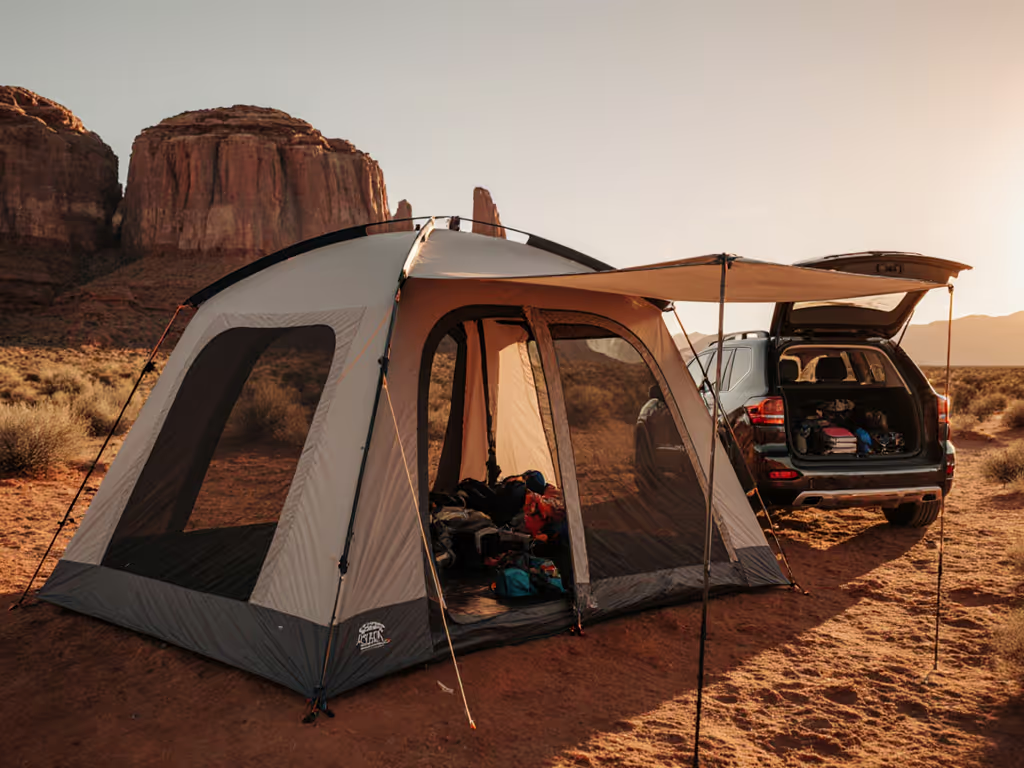
Desert camping demands a different breed of shelter. Standard car camping tent reviews often gloss over the brutal specifics of extreme heat tent performance: the relentless UV exposure, the dust that infiltrates every seam, the temperature swings that spike to 120°F by day and plummet at night. When you're car camping in arid environments with kids, a partner, and a dog, you're not just seeking shade; you're hunting for sleep and sanity after long, hot days. The wrong tent choice turns a family trip into a sweat-soaked endurance test. The right one reclaims your margin for patience and comfort when the landscape refuses to give either.
The Desert Setup Problem: Heat, Dust, and Desperation
Desert car camping isn't casual. The Playa, the Arabian Gulf, and the Southwest backcountry are environments that expose every tent weakness. Campers arrive exhausted after drive-times measured in hours, kids wired or cranky, pets dehydrated. A tent that takes 25 minutes to pitch in calm conditions can stretch to 45 in wind and dust; that's time when everyone's mood erodes and the urgency to get inside and hydrate intensifies.
The heat itself is the first enemy. Standard three-season tents with dark fabrics or thin nylon absorb solar radiation and trap it like an oven. Sunlight turns interiors into hotbeds of condensation despite the dry air outside, a counterintuitive trap many families stumble into. Mesh panels that breathe in temperate forests become liabilities in dust storms; every zipper is a potential dust infiltration point. And the setup constraints are real: you can't grab a handful of stakes and improvise on hard-packed desert floor, and pole geometry that works in a meadow collapses under sideways wind gusts that can hit 40+ mph without warning. Get pro tips on stake choice and tensioning in our rock-solid sand and hardpan setup guide.
Speed to shelter is comfort, safety, and family morale. When setup becomes reliable and muscle-memory fast, the tent stops being a source of friction and becomes the anchor that keeps the trip together.
Comparing Real Desert Tent Performance
Reflective Fabric and UV Protection as Non-Negotiables
The best desert tents prioritize UV-resistant tent fabrics that reflect rather than absorb heat. Compare UV and heat performance in our climate-specific tent materials guide. The ShiftPodX Expedition is purpose-built for this: its reflective fabric significantly reduces heat buildup, and it pops up in minutes (critical when you're arriving at sundown). The trade-off is weight and bulk; it's expensive and requires thoughtful vehicle packing. But if your pain point is afternoon interior temps and you have the cargo space, the speed and cooling payoff is genuine.
For families drawn to canvas instead, the Kodiak Canvas tents represent the opposite philosophy: durable, nearly dust-proof when properly sealed, but heavy and requiring shade structures to manage direct sun exposure. Canvas doesn't cool like reflective synthetic, but it's virtually indestructible and survives dog claws, sandy wear, and multi-decade use. It's a buy-once, last-forever choice, a value calculus that appeals to environmentally minded households.
Sand-Proof Tent Designs: The Vestibule is Your Moat
Sand-proof tent designs rely on vestibule discipline and dual-barrier entry. LGA's specialized Playa tents (the TreeHaus, SummitHaus, and CrashPad campers) separate the lived-in interior from the outer shell with modular panels and storage bays. The CrashPad, for instance, matches hard-shell exterior protection with a tent kit that attaches to a trailer base, offering the fastest setup (~5 minutes) and the best dust and rain protection among the modular options. The trade-off: limited to 2 people, requires trailer ownership, no standing room. It's a specialist tool for couples or small teams who prize speed and security over space.
The SummitHaus Camper balances speed (setup in about 15 minutes) with sleeping capacity (4 people) and a geodesic design that resists wind, a critical advantage in Playa or Gulf environments where 40+ mph gusts are routine. For families, the added headroom and modular design also permit staged setup (interior gear and padding first, rainfly and anchor straps second), which spreads cognitive load across two people and reduces setup errors in fatigue or darkness.
Heat Ventilation and Condensation Control: The Day-Night Trap
Desert condensation control is counterintuitive. See our hot weather ventilation tactics to keep interiors cooler without inviting dust. The Playa and Gulf regions feature bone-dry daytime air but rapid night-time temperature drops that trigger dew condensation inside tents. Relying on passive mesh panels alone (popular in summer backpacking) is a gamble: if you zip them closed to block dust, you trap interior moisture; if you leave them open, grit and insects infiltrate. The CORE Instant Cabin 8, a heavyweight family car-camping tent, uses sectional mesh and solid panels that you can configure based on conditions. The North Face Wawona 6 offers similar partition flexibility with excellent vestibule space for muddy gear and pets, a quiet detail that makes nightly rituals smoother and reduces indoor dust stir. Read our Wawona 6 review for measured space and weather performance.
Tall ceilings matter more in hot climates than most reviews acknowledge. A 6-foot center height (72 inches) versus a 5'6" tapered design isn't just comfort; it's thermal separation. Hot air rises; a taller interior permits convection even when exterior air is still. The OZTENT RV-3, a 30-second-setup ground tent rated for 50+ mph winds, pairs low profile (excellent for wind bracing) with exceptional internal ventilation, a rare combination in this category. For desert car camping where wind is endemic and setup speed is non-negotiable, it's a standout.
Timed Setup and Night Considerations: The Real Benchmark
When your family arrives at a desert campground at 8 PM, you have 20-30 minutes of usable headlamp light before nighttime pitch becomes chaotic. Setup-time benchmarks matter as much as fabric specs:
- OZTENT RV-3: 30 seconds (ground tent, exceptional wind stability)
- ShiftPodX Expedition: 3-5 minutes (rooftop or ground, reflective fabric, bulky to pack)
- SummitHaus Camper: ~15 minutes (trailer-based, requires two adults, staged setup possible)
- CrashPad Camper: ~5 minutes (trailer-based, two-person limit, fastest enclosed option)
- Kodiak Canvas: 15-20 minutes (canvas, setup is intuitive but size makes it methodical)
Night setups require color-coded steps and pre-assigned roles. For wind- and heat-specific pitching, use our weather-specific setup guide. Designate one adult on "pole and frame", one on "stakes and guy-lines". Headlamp discipline (pointed down, not skyward) preserves night vision. Pre-staging gear in color-coded bags: blue for bedding, green for kitchen, red for first-aid, accelerates interior organization after the pitch. Kids can handle stake-placement verification if you mark the proper spot with a glow stick; dogs supervise and stay out of the footprint. Color-code your calm. That two-minute drill mentality (practiced enough that you move without hesitation) is the difference between a composed handoff into dinner and a frustration spiral that ruins morale before anyone sleeps.
Comparing Real-World Desert Durability and Repairability
Desert environments accelerate wear. Sand scours coatings, UV degrades fabric, wind stresses seams. Kodiak Canvas excels in longevity, canvas resists UV better than most synthetics and is easily patched and re-sealed. Replacement poles and hardware are available; it's an heirloom-class tent. Modular LGA campers (TreeHaus, SummitHaus) offer replacement panels and frames because they're designed for expedition use; spares are standardized. Expect higher upfront cost but genuine long-term value if you're car camping every season for a decade.
Synthetic reflective tents (ShiftPodX, CORE, OZTENT models) offer robust warranties and factory support but are pricier to repair if seams fail or zippers bind. However, they ship faster than canvas-heavy models and are easier to retrofit with aftermarket cooling (mesh panel upgrades, reflective groundsheets).
Actionable Next Steps: Choosing Your Desert Tent
If you prioritize setup speed and are camping with a partner or small crew, the OZTENT RV-3 or ShiftPodX Expedition earn trials. Test the 30-second setup claim yourself; time it in your driveway with your family to build confidence before desert deployment.
If you camp with kids, a dog, and need versatile interior space, the CORE Instant Cabin 8 or North Face Wawona 6 offer proven headroom and configuration flexibility. Bring color-coded packing cubes and a simple role chart: who sleeps where, where gear lives. Rehearse the setup once at home so kids internalize the routine.
If you camp frequently and demand multi-decade durability, Kodiak Canvas repays the weight and bulk through longevity and repairability. Pair it with a shade structure (a separate tarp or pop-up canopy) to manage direct sun, and prioritize a site with some natural windbreak or rock shelter.
If you're towing a trailer and value lockable storage plus minimal setup time, explore LGA's modular campers. The SummitHaus balances speed, capacity, and cost better than the TreeHaus for most families; the CrashPad is the specialist's choice for couples who prioritize minimalism and security.
Before purchasing, lay a tarp in your driveway and stage the tent with your camping partners. Lie down inside. Sit up and change clothes. Walk through the setup sequence with a stopwatch. This 20-minute ritual (often skipped in online shopping) eliminates decision regret and clarifies whether you've chosen a tent that genuinely fits your family's rhythm and tolerance for setup friction.
Desert camping reveals everything about a tent's design. But it also reveals whether a family can work together under pressure, adapt to discomfort, and find warmth in shared shelter. The right tent doesn't eliminate those challenges; it gets everyone inside fast enough to face them with patience and humor intact. That's when families sleep well, wake ready, and book the trip again next season.
Related Articles