Durability Tests That Matter: Your Tent's Real Lifespan
By Aisha Mbaye • 3rd Dec
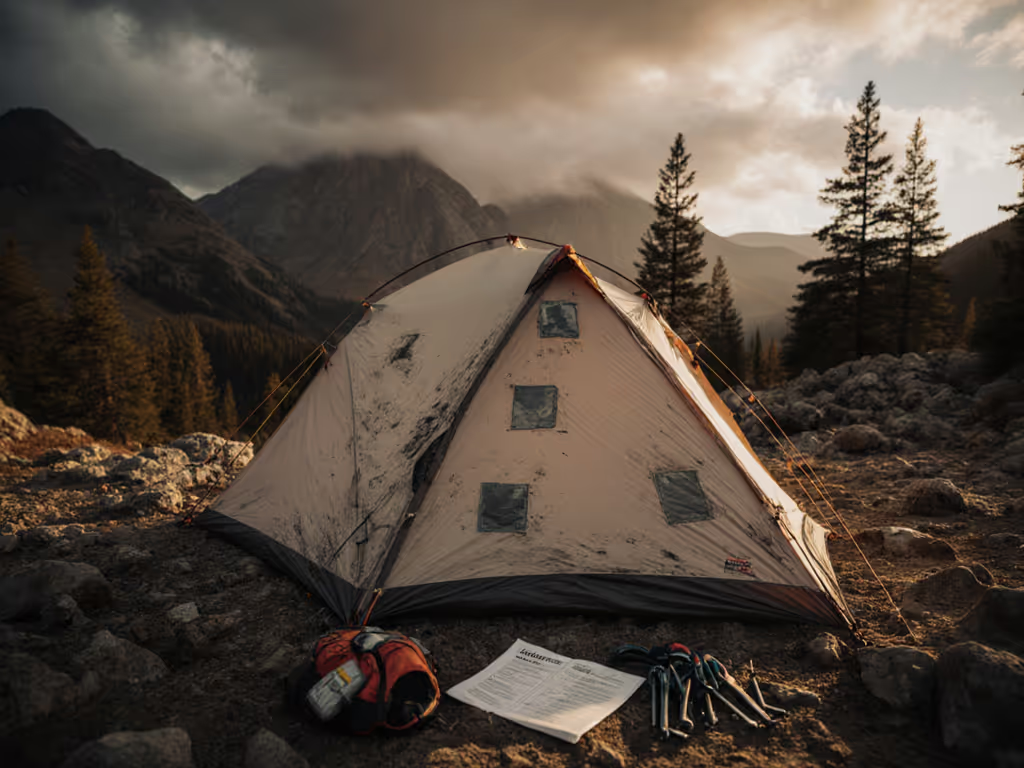
When you're evaluating a new tent, you need more than just marketing claims, tent durability testing and tent performance metrics are what reveal how many nights you'll actually get from your investment. As someone who measures gear in "nights-per-dollar" rather than just weight or pack size, I know what separates a tent that lasts for years from one that becomes trailside trash after two seasons. Let's cut through the hype and look at what truly matters for your shelter's lifespan.
I remember a neighborhood repair night where we transformed a "broken" tent in under an hour (replacing a slider, patching a floor, and tightening a guyline). That tent went from destined for landfill to delivering three more seasons of dry nights. If you need to keep a trip on track, try these field-tested emergency tent fixes. This is why I believe the most sustainable tent is the one you can repair and keep using. When budgets are tight, longevity is freedom; I measure value in quiet nights, not checkout totals.
What Testing Standards Actually Matter for Real-World Use?
You've seen tent specs listing "ISO 5912" or "ASTM F3431" compliance, but what do these standards actually test? And more importantly, how do they translate to your experience in the field?
While marketing departments love to trumpet "meets industry standards," the reality is that compliance doesn't equal longevity. The ISO 7771 standard for size stability (limiting fabric dimension changes to ±3% after wet exposure) matters far more than you might think (when a tent shrinks or stretches unpredictably, setup becomes frustrating and components no longer fit together properly).
Replaceable beats recyclable when a tent can be repaired for years instead of being "recycled" after one season.
Here's what to look for in meaningful tent testing standards:
- Tear strength minimum of 25N: Ensures your tent won't rip from a simple branch scrape
- Water resistance of 30 kPa: Translates to staying dry even during moderate to heavy rainfall
- Color fastness level 4+: Prevents rapid fading that often indicates material degradation
- Wind resistance testing: Measures stability at specific wind speeds (often lacking in consumer specs)
How Do Wind Resistance Ratings Translate to Actual Performance?
When manufacturers claim "wind-resistant" or "storm-worthy," what does that actually mean? True tent wind resistance ratings should indicate specific wind speeds the tent can withstand with proper setup.
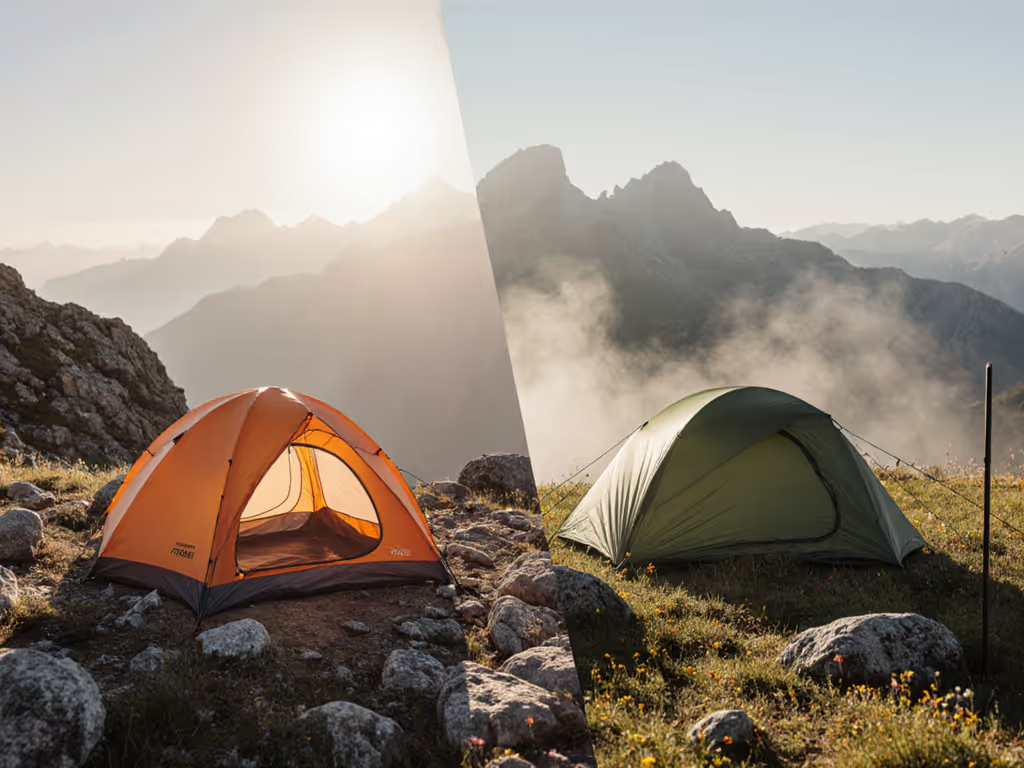
The truth few brands share: wind resistance depends almost entirely on weather-specific pitching techniques and proper guying out. According to controlled testing by organizations like CELINA, a properly guyed tent with quality stakes can withstand winds 30-50% stronger than when set up without guylines. Yet most consumers never use all the guylines they're provided.
Look for tents like the Big Agnes Copper Spur HV UL series that include clear, visualized guying instructions and durable aluminum stake attachments. These minor details make the difference between a tent that dances with the breeze and one that collapses when wind direction shifts.
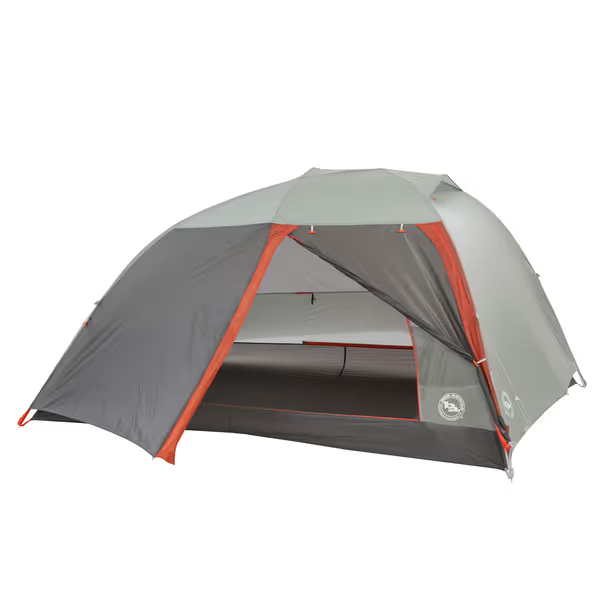
Big Agnes Copper Spur HV UL
Ultralight, roomy tent for comfortable backpacking with the whole crew.
$399.95
FabricNylon double-ripstop
FabricNylon double-ripstop
Pros
Spacious interior with high-volume hub design.
Fast, intuitive setup even in challenging conditions.
Excellent weather resistance and durability.
Cons
Premium price point.
Customers find this backpacking tent lightweight and easy to set up, praising its quality and durability. They appreciate its roominess, with one customer noting it's big enough for two adults, and its weather resistance, with one mentioning it kept them dry in light rain. Customers like the storage space, with one highlighting the handy pocket near the feet.
Customers find this backpacking tent lightweight and easy to set up, praising its quality and durability. They appreciate its roominess, with one customer noting it's big enough for two adults, and its weather resistance, with one mentioning it kept them dry in light rain. Customers like the storage space, with one highlighting the handy pocket near the feet.
Decoding Waterproof Ratings: What Numbers Actually Mean?
That "5000mm waterproof rating" on your tent spec sheet? Let's unpack what it really means for your dryness.
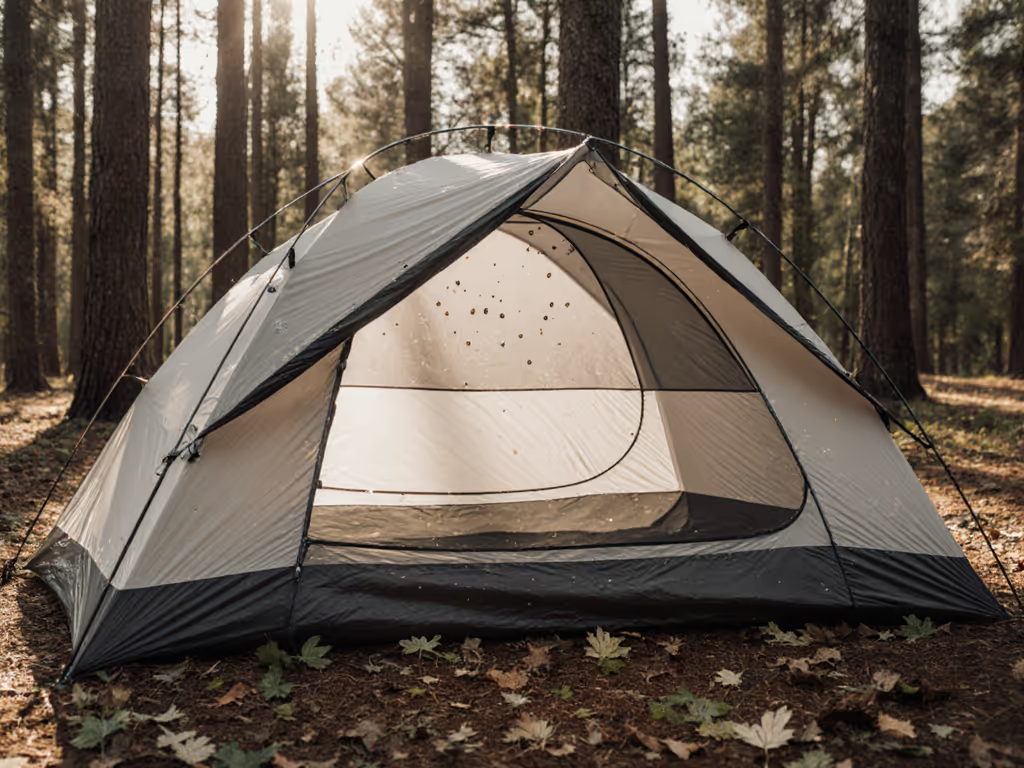
A waterproof rating explanation worth understanding: hydrostatic head (measured in millimeters) indicates how much water pressure the fabric can withstand before leaking. Here's the practical translation:
- 1500mm: Light rain only (think summer showers)
- 3000mm: Moderate rain (most 3-season tents)
- 5000mm+: Heavy rain (true all-season capability)
But here's what marketers won't tell you: seam sealing degrades faster than the fabric itself. A tent with 5000mm rating might only maintain 3000mm after two seasons if the seam tape begins to peel. This is why repair paths matter (I always check if the manufacturer sells replacement seam sealant and provides clear application instructions). If you need a step-by-step refresher, see our seam sealing guide.
How Material Choice Impacts Long-Term Performance
Your tent's fabric isn't just about weight (it's the foundation of tent material longevity); for deeper metrics, see our tent fabric comparison. Let's break down common materials by their real-world durability metrics:
Nylon vs. Polyester
- Nylon: Higher strength-to-weight ratio but absorbs moisture (can stretch when wet)
- Polyester: Less prone to stretching when wet but slightly heavier
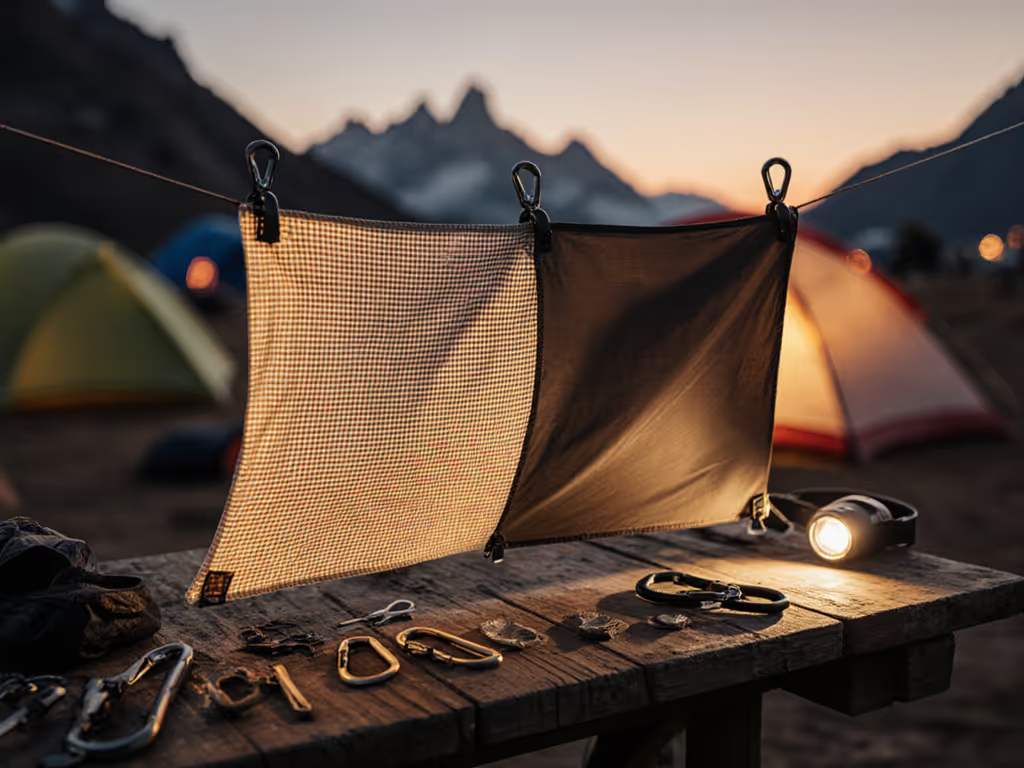
The critical metric most overlook? UV resistance. Both materials degrade in sunlight, but polyester typically maintains 80% of its strength after 300 hours of UV exposure versus nylon's 60%. This is why a $250 polyester tent often outlasts a $400 nylon tent used primarily at car campsites.
Premium options like the Moose Country Gear Basecamp series use ripstop nylon with higher denier counts (measuring thread thickness) specifically designed for durability over ultralight weight savings. For family campers who set up in the same spot for days, this translates to significantly longer service life.
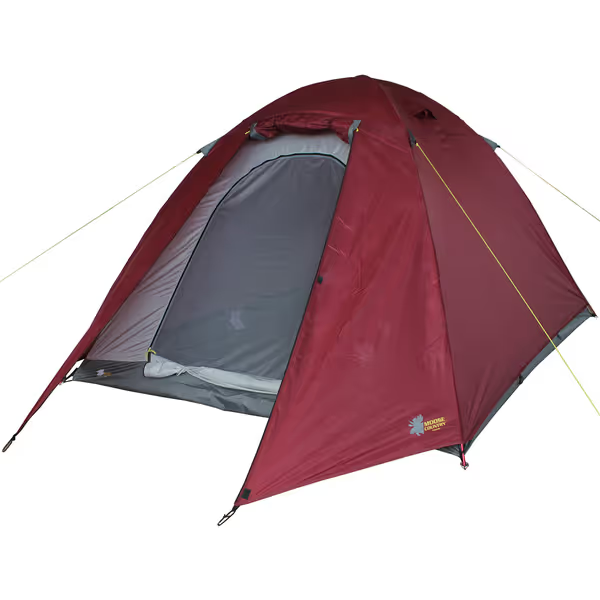
Basecamp 6 Person, 4 Season Expedition Tent
Expedition-quality 4-season shelter for 6 adults, built for extreme conditions.
$254
Weight9.5 lbs
Weight9.5 lbs
Pros
Proven 4-season expedition quality and durability.
Fast, easy setup with speed-clips, even in harsh weather.
Spacious 8'x10' floor + large vestibule for gear storage.
Cons
Higher pack weight for backpacking.
Customers find this backpacking tent easy to set up and appreciate its lightweight design. The tent offers good room capacity, with one customer noting it has stash points inside, while another mentions it has a large vestibule in front. Customers praise its quality, with one highlighting the high-quality zippers and material, and its sturdiness, with one noting the sides don't move during use. They appreciate its 4-season capability and temperature regulation, staying warm inside during use.
Customers find this backpacking tent easy to set up and appreciate its lightweight design. The tent offers good room capacity, with one customer noting it has stash points inside, while another mentions it has a large vestibule in front. Customers praise its quality, with one highlighting the high-quality zippers and material, and its sturdiness, with one noting the sides don't move during use. They appreciate its 4-season capability and temperature regulation, staying warm inside during use.
Why Repairability Is the Ultimate Durability Metric
No amount of lab testing can predict how a tent will hold up to your specific use patterns, but how easily you can repair it absolutely determines its actual lifespan. This is where most "durable" tents fall short.
When evaluating tent durability testing, I prioritize brands that publish:
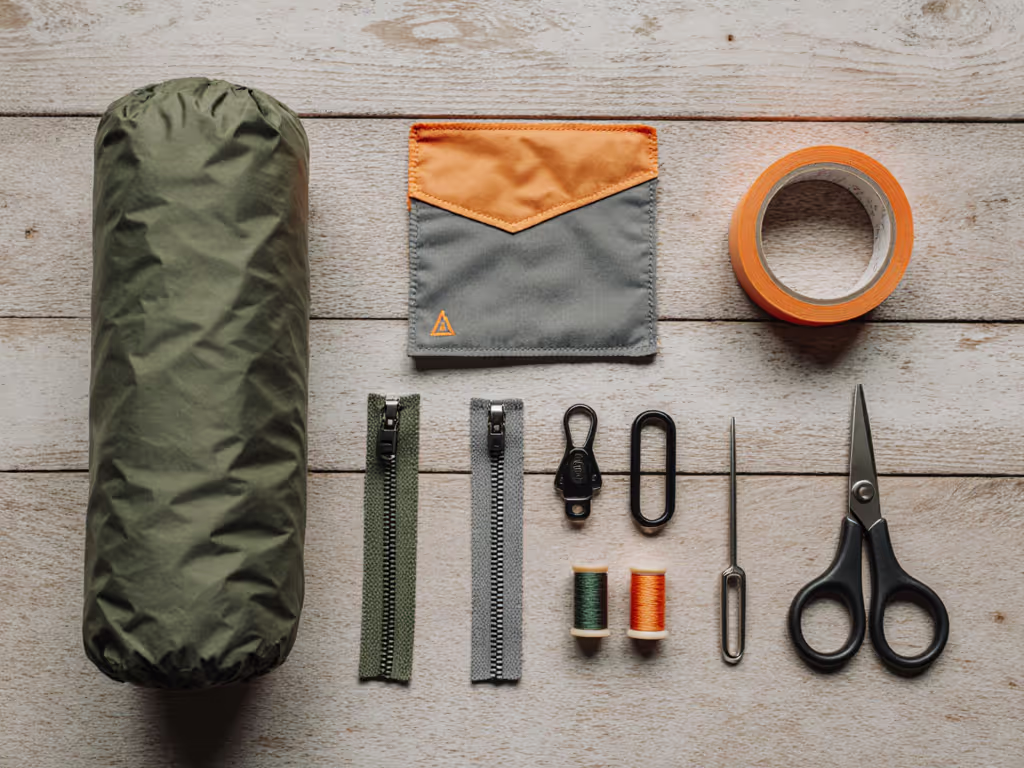
- Clear repair paths: Step-by-step guides for common issues (broken zippers, torn fabric)
- Spare parts availability: Slider replacements, pole sleeves, repair tapes sold separately
- Warranty clarity: Specifically what's covered and what constitutes "normal wear"
In my community repair nights, I've seen countless tents rendered useless simply because replacement sliders or shock cords weren't available. Compare this to brands like Big Agnes that offer replacement pole sections and custom slider kits (these tents consistently deliver 5+ years of reliable service because owners can address minor issues before they become catastrophic failures).
The Hidden Cost of Ignoring Total Cost of Ownership
Let's put some numbers to the "buy once, sleep well, fix forever" philosophy. Consider two tents:
| Metric | Tent A ($250) | Tent B ($400) |
|---|---|---|
| Expected lifespan | 2 seasons | 8 seasons |
| Repair cost over life | $150 | $50 |
| Total cost of ownership | $400 | $450 |
| Nights per dollar | $0.33/night | $0.15/night |
Tent B costs more upfront but delivers nearly twice the value when properly maintained. Yet Tent A likely ends up in landfill after minimal use because replacement parts aren't available (no matter how "durable" the initial materials).
This is the reality of no greenwashing: a tent marketed as "eco-friendly" but difficult to repair creates more environmental impact than one designed for longevity and serviceability. For a deeper look at long-term value, see our budget vs premium tents analysis. Replaceable beats recyclable when a tent can be maintained for years rather than being "recycled" after minimal use.
What Should I Actually Look For When Buying?
Given everything we've covered, here's my practical checklist for evaluating a tent's true durability:
- Check for service documentation: Does the brand publish repair guides and offer spare parts?
- Test the zipper action: Does it glide smoothly when dry and slightly damp? Sticky zippers wear out fast
- Examine seam construction: Look for bonded or taped seams, not just stitched
- Ask about pole warranty: Aluminum poles should have at least 1-year warranty against breakage
- Verify stake quality: Included stakes should be substantial enough for the tent size
Final Verdict: The True Measure of Tent Durability
Durability isn't just about surviving a single storm, it's about how many seasons you'll get while maintaining reliable performance. The tents that deliver the most value aren't necessarily the lightest or most featured, but those designed with repairability and parts availability in mind.
When you buy a tent designed for longevity, you're not just purchasing shelter, you're investing in hundreds of future nights under the stars. The most sustainable tent is always the one you can repair and keep using, because replaceable beats recyclable when a single repair can extend a tent's life by multiple seasons.
So before you click "buy," ask yourself: Can I get this fixed when (not if) something breaks? That question determines your tent's real lifespan far more than any lab test result.
Related Articles