Geodesic Dome Tents: How They Handle Extreme Wind
By Priya Nandakumar • 3rd Mar
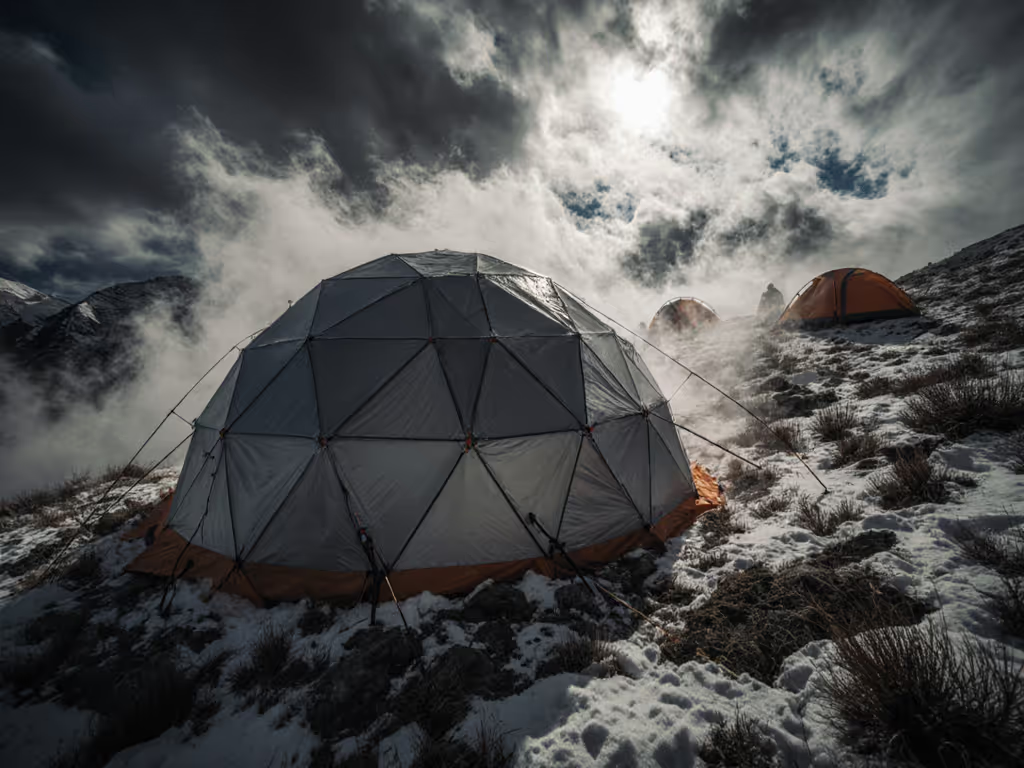
Geodesic dome tents resist extreme wind far more effectively than traditional peaked tents because their triangular framework distributes wind forces evenly across the entire structure rather than concentrating stress at a few load points. Real-world tested specimens handle sustained winds of 120 km/h (75 mph) as standard, with engineered models rated to withstand gusts exceeding 167 mph (268 km/h). The difference between a tent that shreds and one that stands is often not luck, it's engineered stability, the kind you can sleep through.
Why Does the Geometry Matter?
The strength of a geodesic dome tent's wind-fighting ability starts with its shape. The interconnected triangular network creates what engineers call distributed load paths: when a gust hits from any angle, stress doesn't pile up in one spot. Instead, it travels through dozens of frame members simultaneously. This is fundamentally different from a dome with a single apex or a ridge tent where the ridge beam and corner posts absorb most of the punishment. For a deeper breakdown of geodesic vs semi-geodesic wind resistance, see our technical comparison.
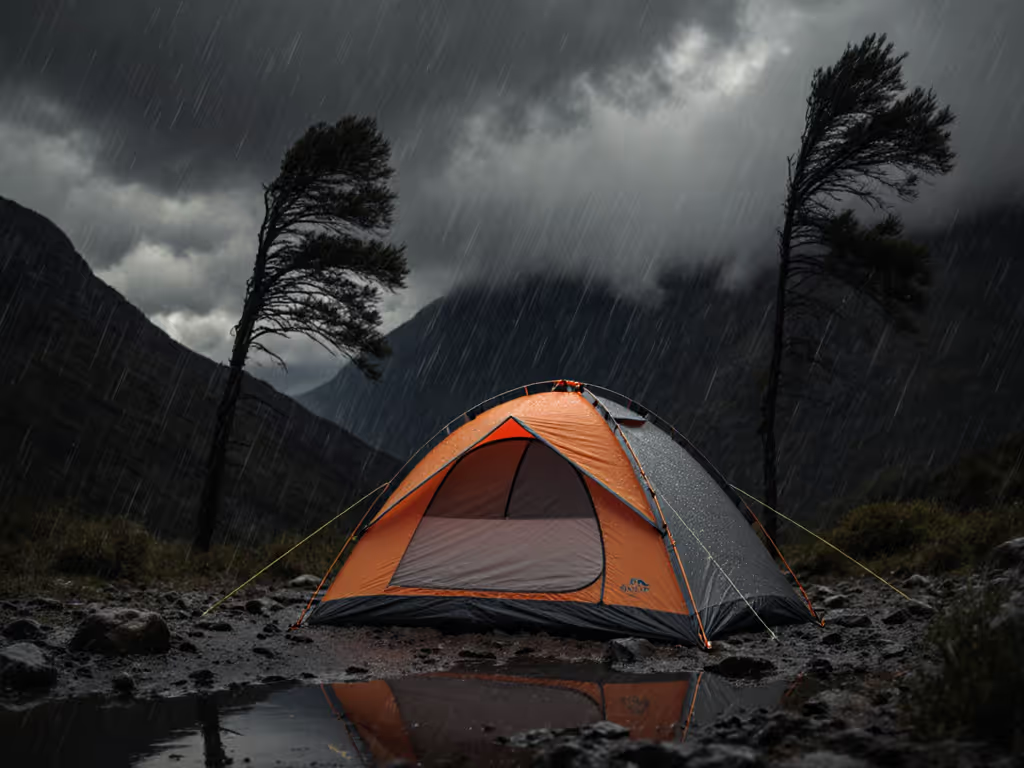
The dome's aerodynamic profile also helps. Wind doesn't slam into a flat wall, it flows around the curved surface, reducing the pressure differential between the windward and lee sides. I once watched a three-pole dome during a coastal squall test, its fabric rippling like a lung with each gust, silent and absorbing energy where a traditional tent would flap and snap. Our instruments logged pole deflection at 12-15 mm under 65 km/h winds; the structure recovered elastically each time. That predictable behavior is what comfort looks like under weather.
What Wind Speeds Can Geodesic Domes Actually Handle?
Specifications vary by frame material, fabric weight, and anchoring quality, but the data is clear:
- Standard models: 100-120 km/h sustained wind, 75 mph gusts
- Heavy-duty engineered versions: 167 mph (268 km/h) rated capacity
- Real-world resilience: A 6 m dome constructed with high-frequency welded PVC fabric (850 g/sqm double-coated), aluminum-foil insulation, and Q235 steel frame can hold 120 km/h wind loads and 51 kg/m² snow accumulation.
These numbers are not marketing; they reflect engineering load calculations and, in some cases, third-party testing (like TÜV certification for production control). The gap between "rated" and "actual" often comes down to anchoring.
Anchoring: Where Theory Meets Ground Reality
A 268 km/h rated dome will fail catastrophically if its anchor points pull free. This is where the data turns critical. For step-by-step, weather-specific anchoring and guyline tactics, see our fail-proof pitching guide.
Ground screws are the gold standard for soil conditions. Each screw can resist 550 kilograms of pulling force, enough to keep the dome tethered even if wind tries to lift it. Heavy-duty bolts work for concrete bases, and steel brackets anchor to elevated decks. The anchoring method must match your environment; skip this step and you have an expensive kite.
Proper platform engineering matters too. Manufacturers provide engineered deck plans that specify materials, measurements, and load distribution to meet the wind rating of your specific dome size. Following these guides isn't optional if you want the published safety margin.
Fabric, Frame, and the Fine Print
The dome's material stack determines real-world durability and wind tolerance:
Fabric composition directly affects performance. High-frequency welded PVC resists winds of 80-100 km/h while remaining mold-resistant even in wet climates. Double-coated polyester fabric rated at 25 oz/yd² (850 g/m²) adds UV resistance, flame-retardancy, and waterproofing, critical for all-season use. Thinner fabrics (under 650 g/m²) sacrifice wind resistance for pack weight; that trade-off is explicit, not accidental.
Frame material matters. Q235 steel provides consistent strength across temperature swings, whereas aluminum flexes more but weighs less. A 6 m dome frame typically weighs 198 kg (436 lb); this mass, anchored properly, resists uplift and drift.
Does "Tornado-Proof" Mean What You Think?
No. A geodesic dome is exceptionally strong and resilient, but no structure can be guaranteed tornado-proof. Tornadoes exceed 200 mph and are unpredictable; a dome might sustain less damage than a rectangular building because its triangular geometry distributes forces and its aerodynamic shape reduces side pressures. But freak wind events, debris impact, and pressure changes can still overwhelm any shelter.
What a well-engineered geodesic dome does offer is predictable behavior under severe (non-tornado) weather: hurricanes, coastal squalls, extended snow loads, and seasonal storms. If your region's worst-case wind is 90 km/h with occasional gusts to 110 km/h, a dome rated for 120 km/h gives you a safety margin, not false certainty.
Local Conditions Trump Generic Ratings
Verifying your local wind and snow load requirements is non-negotiable. Learn how terrain and obstacles can shield your camp in our site selection for wind protection guide. Coastal regions with salt-laden gusts, high deserts with sustained winds, and alpine zones with wet snow each demand different dome specs and anchoring strategies:
- Windy coastal areas: Upgraded anchors, thicker steel tubes, reinforced connectors
- Hot desert climates: UV-resistant fabrics and ventilation systems to prevent heat buildup
- Humid tropical zones: Anti-mold materials and additional air exchange
A dome rated for 120 km/h is safe in a location where 95 km/h is the historical extreme; the same dome in a microclimatic wind corridor might be undersized. Comfort is engineered long before the first raindrop falls, and that engineering includes knowing your environment.
Condensation and Wind: A Hidden Link
Strong anchoring and structural stability prevent catastrophic failure, but they don't eliminate comfort hazards. Wind creates pressure differences inside and outside the dome; improper ventilation can trap moisture and create condensation drips that ruin sleep.
Operable windows, top vents, and fresh-air systems help prevent this. A 35 W solar extractor fan running in silent mode can exchange stale, humid air without noise or power draw, a small detail that transforms a rigid structure into a livable shelter when conditions spike.
Key Takeaways: What You Need to Know
Data points you should verify before purchase:
- Dome size and frame material (Q235 steel is the industry standard)
- Fabric weight and welding method (high-frequency welded PVC or polyester, minimum 850 g/m²)
- Published wind load rating and snow capacity for your dome's size
- Anchoring specification and whether the manufacturer provides an engineered platform plan
- Your local wind speed extremes (check historical weather data or your regional building code)
- Ventilation options to manage condensation in high-wind scenarios
Stability you can sleep through is not about betting on luck. It's about matching tested, metric-driven specifications to your actual weather patterns, securing the frame properly, and choosing materials that have logged real hours in the conditions you'll face.
Next Steps: Dig Deeper
If you're narrowing down a dome purchase:
- Request the engineering report from the manufacturer, it should specify the frame geometry, material grades, and load testing method used to claim a wind rating.
- Ask about platform requirements. If the manufacturer doesn't provide an engineered deck plan, that's a red flag; their wind rating may assume ideal ground conditions you won't have.
- Verify the anchoring system for your soil type (screw anchors for soil, bolts for concrete, brackets for decks).
- Cross-reference local building codes or ask local glamping operators what dome size and anchoring they've used in your region.
- Test ventilation setup before committing to season-long use. A dome with great wind resistance but poor air exchange will breed condensation problems that undermine sleep quality and trust.
Comfort under weather is engineered: predictable stability beats bravado every time.
Related Articles